Need concrete driveways in Antioch?
Ready to plan a new driveway or patio? Request an estimate and a local provider in our network can follow up with the next steps.
No obligation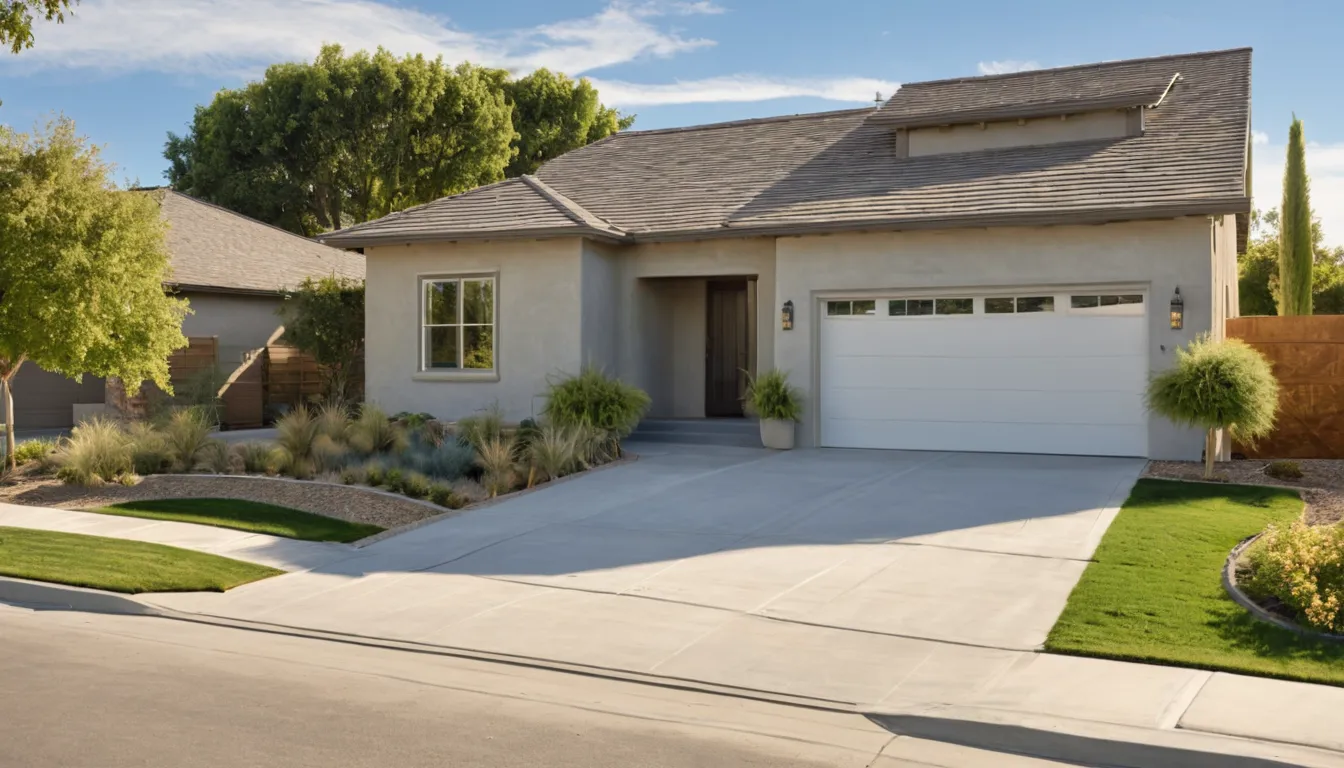
Request your driveway estimate
Thinking about a new concrete driveway? You probably have questions. How wide should it be? How thick? Do you need a permit? This page answers them in plain words, so you can talk with providers feeling prepared.
Momentsdecember Concrete is a referral service. We do not pour concrete. We help you gather photos, notes and measurements, then connect you with independent providers in our network who quote and do the work. Homes across the Antioch area range from older bungalows to stucco ranch houses, and each driveway has its own needs. A tidy file makes estimates clearer and comparing them easier.
Maybe you keep stepping around the same crack. Maybe the slab tilts toward the garage. Either way, it is a fair question. Let's sort it out together, starting with what matters most.
Safety comes first. Raised edges can catch a shoe or a bike wheel. Deep gaps and crumbling corners can twist an ankle or hurt a tire.
Next, look at water. Does rain pool by the garage door or run toward the house? With long dry spells and then sudden winter rain events, water finds every weak spot. A sunken slab can send runoff toward your foundation. That is worth fixing before the next storm.
Some signs creep up on you:
These often point to a base problem, not just a surface problem.
Good question. Narrow cracks on a firm, flat slab may only need sealing or patching. If that sounds like yours, ask a provider about concrete driveway repair first. If the base has settled or cracks keep coming back, a new pour often makes more sense than stacking up patches. Ask the provider to explain which path they see and why.
Most jobs follow the same arc. A provider measures, marks the layout and removes the old slab if there is one. Then the base is shaped and packed down, forms are set and reinforcement goes in. Next come the pour, the finish and cut lines called control joints, which guide where the concrete cracks. Last, the slab cures. Ask each provider to list these steps in the written quote so you can compare like with like.
Think about the cars you own now and the ones guests bring. A wider spot near the garage makes turning easier. Many homes use about four inches of thickness for cars, while heavier loads like an RV may call for more. Providers can advise on base depth and reinforcement. Sketch your layout and write a wish list before the first visit.
A broom finish gives grip when wet. A smooth trowel finish looks sleek but can feel slick. Color and texture options add curb appeal. If you also dream of stamped concrete patios, mention it so a provider can plan the two surfaces to match. Choose a look that suits your house, whether it is a stucco ranch or an older bungalow.
The apron is the part where your driveway meets the street. It often sits in public right-of-way, so rules and standards can differ by city. Ask the provider whether they handle permits, and check with your local building office too. Keep copies of anything approved.
Start with photos. Take wide shots from the street and close shots of cracks, low spots and edges. Put a tape measure in a few frames for scale.
Then add notes. Where does water go? Where are sprinklers, utility covers and tree roots? Notes before quotes means fewer surprises later. Keep it all in one folder on your phone.
Good records help providers quote closer to the real job. They also give you a clear before picture. If sudden damage ever played a part, some policies may cover it, so check your policy. Providers can often help document damage for a claim. Mostly, a tidy file keeps everyone on the same page.
Ask every provider the same questions. Do they hold the licenses your area requires? Can they show proof of insurance? Is the quote in writing, with thickness, base work, removal and cleanup listed? How do they handle weather delays? Gather two or three quotes and compare line by line, not just the total. Remember, Momentsdecember Concrete does not do the work. It connects you with independent providers in our network.
See wall cracks, sticking doors or slabs sinking beside the foundation? Ask foundation repair experts for an opinion before pouring new concrete flatwork next to the house. Pouring over a moving base wastes money. Flatwork only lasts when what lies beneath it stays steady.
Mild coastal temperatures make pouring friendly much of the year. Dry seasons help, but hot, windy days can dry the surface too fast, so providers may adjust their plan. Smoke days can make outdoor work unpleasant, so stay flexible. If rain is forecast, ask how a fresh pour will be covered.
Keep cars, pets and feet off until the provider says the slab is ready. Foot traffic usually comes first. Vehicles wait longer. Turn off sprinklers that spray the new surface. Ask when and how to seal it. Then take after photos and file them with your quote, receipts and before photos.
A solid driveway sends water away from the house and adds curb appeal. It shows future buyers the home was cared for. Pour it right, and keep the records to prove it.
Request a callback to check provider availability, or send the request form.
A provider measures, marks the new footprint and removes the old concrete if it needs to go.
The ground is shaped and packed, then forms and reinforcement are set before any concrete arrives.
Concrete is placed, leveled and finished, with control joints cut to guide cracking.
The slab cures under the provider's directions, and the site is cleaned afterward.
Prices vary by size, soil, access, finish and local rules. These are typical U.S. ranges only, so always ask for a written quote.
| Item | Typical range | Notes |
|---|---|---|
| Standard broom-finish driveway | $6 – $12 per sq ft | Depends on thickness and local pricing |
| Old slab removal and haul-away | $1 – $3 per sq ft | Thicker or reinforced slabs cost more |
| Base prep and grading | $1 – $3 per sq ft | Poor soil or slopes can raise it |
| Color or decorative finish | $2 – $8 extra per sq ft | Patterns and sealers add labor |
| Street apron work and permit | $100 – $1,500 | Rules differ by city |
| Sealing | $0.50 – $2 per sq ft | Often done after curing |
Snap wide and close-up shots, add a tape measure for scale, and jot down notes.
Share your project details through the request form, with no obligation to hire anyone.
Review scope, thickness, base work, removal and cleanup line by line, not just price.
Pick the provider who fits your plan, confirm timing and keep all paperwork together.
Plain-language guidance helps you know what to ask before any provider visits your home.
Photos, notes and measurements in one place make estimates easier to compare.
Local providers in our network quote and do the work, so you can compare your options.
Thoughtful drainage, thickness and finish choices help protect your home and its future resale.
Ready to plan a new driveway or patio? Request an estimate and a local provider in our network can follow up with the next steps.
No obligationWith a sound base and proper drainage, a concrete driveway often lasts for decades. Climate, soil, vehicle weight and upkeep all play a part, so ask providers what to expect for your property.
Many residential driveways are about four inches thick for everyday cars. Heavier vehicles may need more thickness or added reinforcement. A local provider can recommend the right depth after seeing your soil and layout.
Often yes, especially where the driveway meets the street apron. Rules differ by city, so check with your local building office and ask your provider whether they handle permits and what the paperwork involves.
Ready to plan a new driveway or patio? Request an estimate and a local provider in our network can follow up with the next steps.
No obligation